



Every startup begins with a spark. It might come from a small problem you faced one day or a gap you noticed in the market. At first, it feels exciting. Then reality hits. Turning that spark into a real mobile app development takes time, money, and a lot of hard choices. Many founders feel stuck at this point. They want to build something useful, but they don’t want to waste months or burn through their budget on features users may never need.
This is where the idea of building an MVP comes in. An MVP, or Minimum Viable Product, is not a half-baked app. It is a simple version of your app that solves one clear problem for users. For startups in the USA, this approach has become the smart way to move from an idea to a real product that people can download and use.
Why Startups Begin with an MVP?
Early-stage startups live in a world of unknowns. You may believe your idea is great, but the market decides what really works. An MVP helps you test your idea with real users before you invest heavily in full development.
Instead of building a large app with many features, startups focus on the core problem. This saves time and money. Most MVPs for US startups are built in a few months and usually cost between $80,000 and $250,000, depending on the scope and features. This range may sound high, but compared to building a full product without proof, it lowers risk in the long run.
An MVP also helps in another way. It gives you something real to show to early users, partners, and potential investors. A working product speaks louder than a slide deck.
From Idea to Clear Plan
The first stage is ideation and strategy. This usually takes two to four weeks. Here, founders define the main problem the app will solve, who the target users are, and what features matter most. This stage is about saying “no” to many ideas so the product stays focused.
A clear plan keeps the app lean and useful. Without this step, teams often build features that sound good on paper but do not help users in real life. Strong planning sets the tone for the entire project.
Designing Before Building
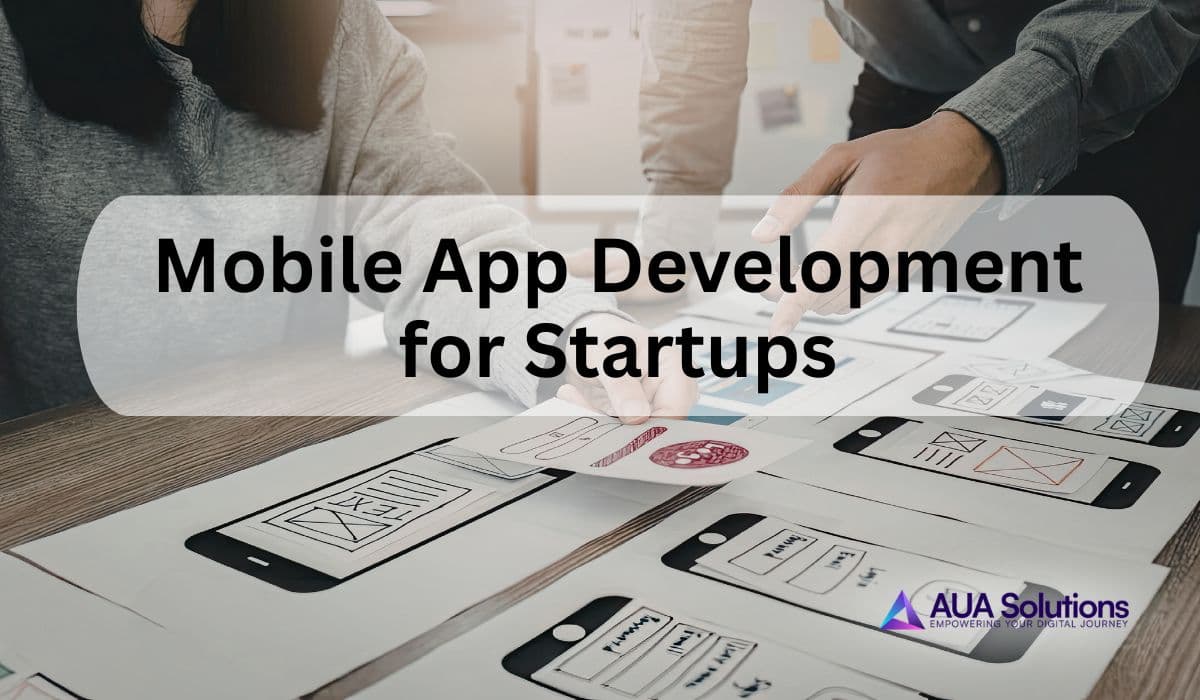
Once the idea is clear, the next step is rapid prototyping and design. This is where the app starts to take shape visually. Designers create simple screens and flows to show how users will move through the app.
This step helps founders see their idea in action before any code is written. It also allows early feedback from team members and potential users. Fixing design issues at this stage is much easier than changing things later during development.
Building the MVP
MVP development usually takes around eight to twelve weeks. Many startups use cross-platform tools so they can launch on both iOS and Android at the same time. This approach saves time and cost while still delivering a smooth user experience.
The focus here is on core features only. The goal is not to build a perfect app, but to build a useful one. A working MVP lets startups test the main idea in the real world. Small issues are normal at this stage. What matters is learning how users actually use the product.
Testing, Learning, and Adjusting
Once the MVP is ready, testing and validation begin. Real users try the app, and their feedback becomes the most valuable data you can get. Some features may work well. Others may need changes. Sometimes the feedback points in a new direction altogether.
This stage helps startups understand what to improve and what to remove. Tracking user behavior and listening to feedback allows teams to refine the product. This is where many good ideas become strong products through small, smart changes.
From MVP to Market Launch
After testing and early feedback, the app is ready for a wider launch. Releasing the MVP to app stores is a big moment for any startup. It feels like a milestone, but it is really the start of a longer journey.
Market launch is not the end. It is the beginning of ongoing updates, fixes, and new features based on real user data. Successful startups treat their app as a living product that grows with its users.
Cost and What to Expect
The cost of building an MVP depends on how complex the app is. A basic MVP with a small set of features and a single platform may cost around $80,000 to $120,000. More advanced MVPs that support both platforms and include more complex functions often fall between $120,000 and $250,000 or more.
While the numbers matter, what matters more is how wisely the money is spent. Clear goals, a focused feature set, and steady feedback can make every dollar count.
A Short Closing Thought
Building a mobile app as a startup founder is not just about code and screens. It is about listening, learning, and staying open to change. The MVP path gives you room to grow without betting everything at once. When done right, it turns a simple idea into a product that people care about and that is where real progress begins.